Should I Auction or List My Farmland in Indiana?
Reviewed by Integrity Auction Service | Last updated: [MONTH DAY, YEAR]
Whether a farmland auction or traditional listing makes more sense depends on the property, seller’s timeline, market conditions, ownership situation, marketing strategy, and goals. An auction may be worth considering when a seller wants a defined sale process and a focused marketing period. A traditional listing may be appropriate in other situations. The best first step is a confidential discussion of the property and the seller’s goals.
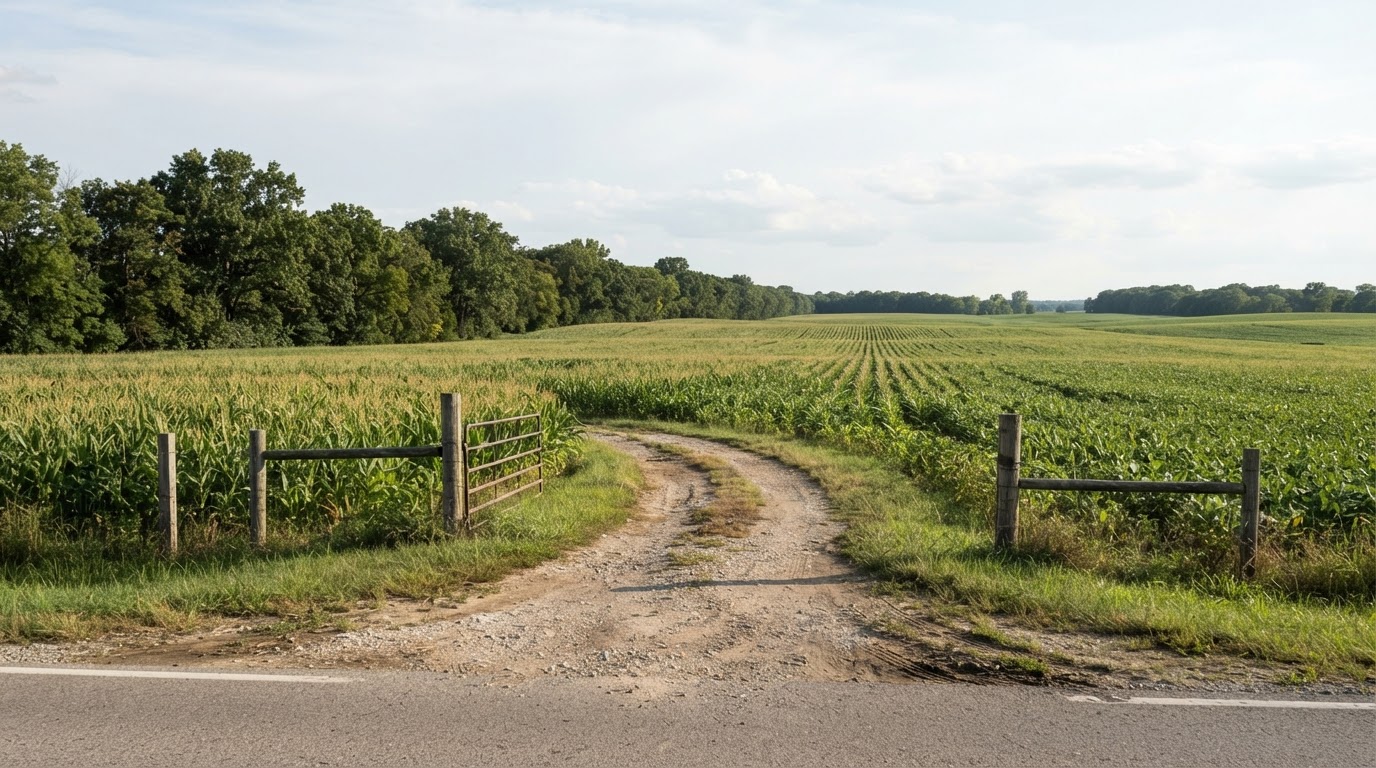
Auction versus traditional listing: the practical difference
An auction uses a defined process with stated terms, a focused marketing period, and a specific bidding event or bidding window. A traditional listing usually allows offers to be considered over time. The right approach depends on the property and the seller’s situation.
When a farmland auction may be worth considering
A farmland auction may be worth discussing when a seller wants a clear timeline, public terms, and a planned marketing effort. It may also be considered when multiple interested parties, family ownership, or a defined sale process would help create clarity.
When a traditional listing may be worth considering
A traditional listing may be appropriate when the seller wants more flexibility, has a less defined timeline, or needs additional time to evaluate offers. Some properties and ownership situations may fit a listing better than an auction.
Questions a landowner should ask before choosing a sale method
- What is the preferred selling timeline?
- Are there multiple owners or family decision-makers?
- Is the property easy for buyers to understand?
- Are lease, access, survey, title, or possession questions already clear?
- Would a focused marketing period help the seller’s goals?
Property details that can affect the discussion
Property characteristics, acreage, location, access, leases, tenant arrangements, survey status, and timing can all affect the conversation about sale method. [VERIFY WITH DELMAR]
What to bring to an auction consultation
- Property address or general location
- Approximate acreage and parcel information
- Available survey, deed, lease, or tax information
- Known access, possession, or tenant questions
- Your preferred timeline and goals
What to do next
Review the Auction Services page, check Current Auctions, or contact Integrity Auction Service with questions.
About this guide
This guide is provided for general educational purposes. Auction terms, property conditions, and transaction details vary. Review the auction documents for the specific property and consult appropriate legal, tax, lending, title, or other professionals when needed.